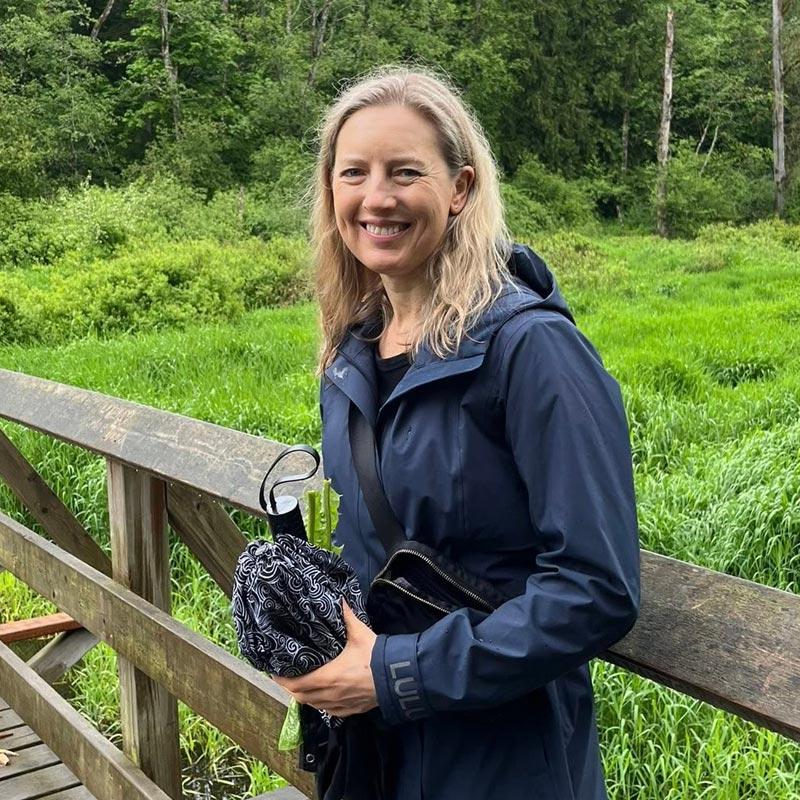

November is National Family Caregivers Month, and every year it reminds me of one truth I wish someone had told me much earlier: you were never meant to carry this alone.
In my years as a home health case manager, I sat at countless kitchen tables with exhausted spouses, sons, and daughters. Over and over, I heard the same words: “I’ve got it. I don’t want to be a burden.” Then I would watch those same caregivers slowly wear down until their own health became a second crisis in the home.
I understand that instinct better than most. I have been David’s wife and caregiver through nearly two decades of MS, and I cared for both of my parents through dementia. I know what it feels like to believe that if you just try a little harder, you can hold everything together by yourself. But caregiving is not a solo sport. The families who do best over the long haul are not the ones with the strongest caregiver. They are the ones with the strongest team.
Why We Resist Asking for Help
If asking for help were easy, every caregiver would do it. In my experience, a few quiet beliefs keep us stuck:
- “No one can do it the way I do.” You know your loved one’s routines, their bad days, and exactly how they like their coffee. That knowledge is precious, but it can turn into a wall that keeps everyone else out.
- “Asking means I’m failing.” Many of us tie our worth to how much we can handle. Needing help feels like admitting we aren’t strong enough.
- “I don’t want to impose.” We assume friends and family are too busy, or that they offered only to be polite.
- “I don’t even know what to ask for.” When you are running on empty, it is hard to step back and name what would actually help.
Here is what I have learned, both as a nurse and as a wife: people who love you usually want to help. They simply don’t know how. And your loved one with MS often feels relieved, not hurt, when they see you getting support. Watching a caregiver burn out is painful for the person being cared for, too.
Mapping Your Care Team
When I set up care plans for families, I always start by drawing a simple map of everyone who could be part of the team. Most caregivers are surprised by how many names end up on the page. Think in four circles:
| Circle | Who might be in it | How they can help |
|---|---|---|
| Inner circle | Spouse, adult children, siblings, close friends | Regular respite, overnight coverage, help with big decisions |
| Medical team | Neurologist, primary care doctor, MS nurse, physical and occupational therapists, pharmacist | Symptom management, equipment needs, home safety recommendations, medication questions |
| Community | Neighbors, faith community, support groups, MS organizations, online communities | Meals, rides, errands, emotional support, people who truly understand |
| Professional help | In-home caregivers, home health agencies, adult day programs, respite services | Personal care, companionship, scheduled breaks, skilled nursing when needed |
Don’t overlook the person you are caring for. Living with MS does not take away someone’s ability to contribute. David has always wanted to be a partner in his own care, not a project. Ask your loved one what they can still own, whether it’s managing their own appointments, planning meals, or simply being the one who checks in on how you are doing.
How to Ask (and Actually Get a Yes)
The most common mistake I see is the vague request. “Let me know if you need anything” almost never turns into real help, because it puts the work of figuring it out back on you. Specific asks get specific answers.
Start a running needs list. Keep it on your phone or on the refrigerator. Every time you think, “I wish someone could just…,” write it down. Some examples:
- Pick up prescriptions on Thursdays
- Sit with my husband for two hours so I can go to my own doctor’s appointment
- Mow the lawn or take out the trash cans
- Drive to a neurology appointment and take notes
- Bring dinner one night a week
- Research local respite programs or support groups
Match the task to the person. Your organized sister might love handling insurance calls. Your neighbor who cooks for a crowd might be thrilled to drop off a casserole. The friend who lives far away can still make phone calls, schedule appointments, or simply call every Sunday to listen.
Use simple, direct words. You don’t need to over-explain or apologize. Try something like:
- “You asked how you could help. Could you take Mom to her appointment on the 14th?”
- “I’m trying to get one evening a week to myself. Would you be willing to come over Tuesdays from 6 to 8?”
- “We’re putting together a meal schedule. Can I add you for one night this month?”
Say yes when help is offered. This one is hard for so many of us. Practice saying, “Thank you, that would really help,” and then let it happen. It may not be done exactly the way you would do it, and that is okay.
When It’s Time to Bring in Professional Help
Family and friends are a gift, but there may come a point when your loved one’s needs go beyond what volunteers can safely provide. Having worked for an agency that places caregivers in the home, I can tell you that families almost always wait longer than they should. Consider professional support if:
- You are helping with bathing, toileting, or transfers and worry about injury to either of you
- You haven’t had a full night’s sleep or a true day off in weeks
- Falls, near-falls, or new mobility changes are happening
- Your own health, job, or relationships are starting to suffer
- You feel resentment, hopelessness, or dread most days
Professional help doesn’t have to mean full-time care. Many families start with a few hours a week of in-home support, an adult day program, or a short respite stay. When you interview an agency, ask how caregivers are screened and trained, whether they have experience with MS or neurological conditions, how scheduling and substitutions work, and how you can give feedback.
Bringing in help is not giving up. It is protecting the person you love by protecting the person who loves them most.
Your Caregivers Month Challenge
When David and I started the MS Fitness Challenge, we built it on a simple idea: nobody should have to fight MS alone. That belief applies to caregivers just as much as it applies to the people we care for.
So this November, I’m asking you to take one small step. Write down your needs list. Pick one item. Then ask one person to help with it this week. That’s it. One ask can open the door to a whole team you didn’t know you had.
You give so much every single day. You deserve support, rest, and a circle of people walking beside you. Let them in.
With love and gratitude,
Kendra Lyons, RN